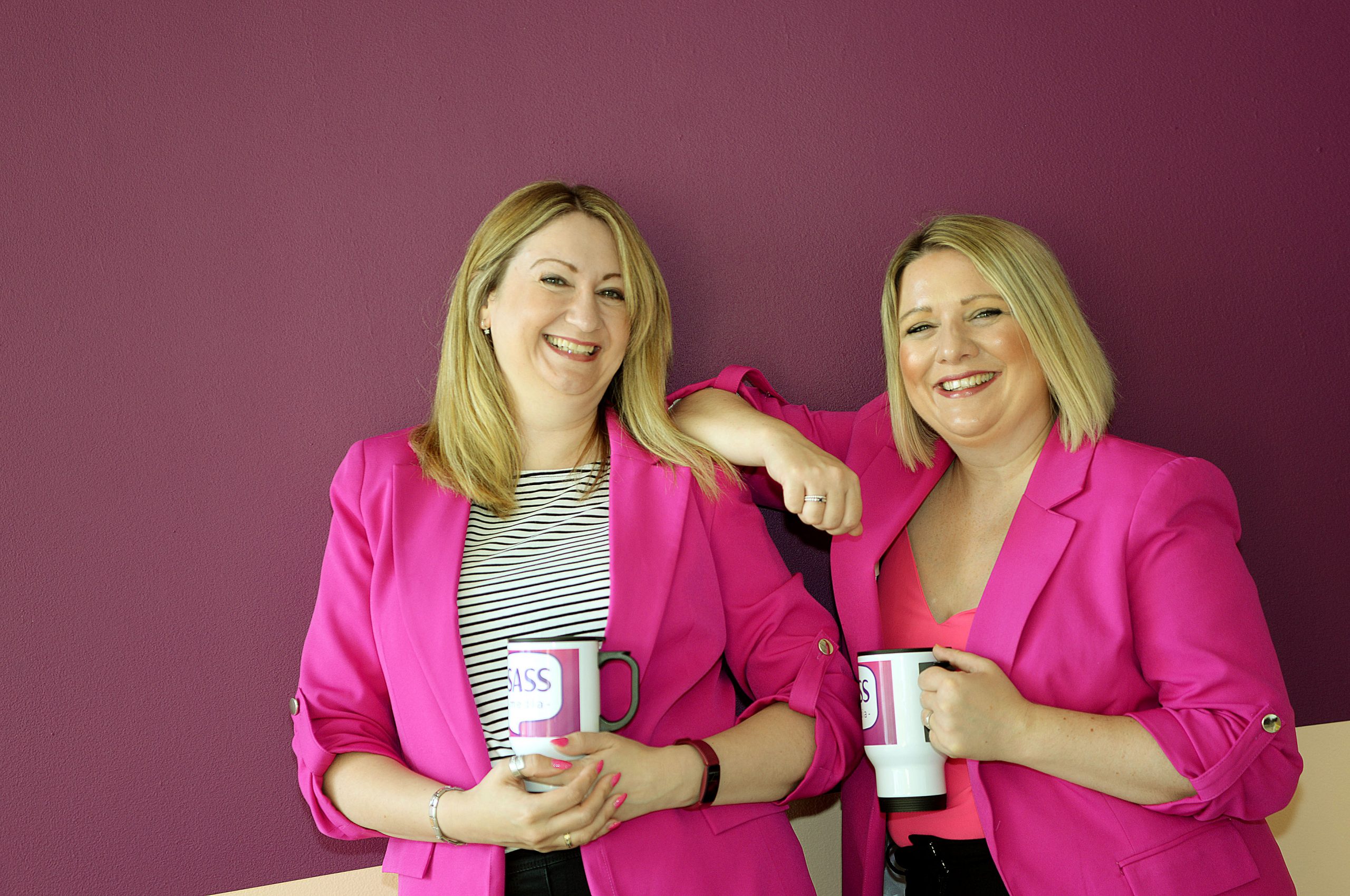

By Sarah Dale

30 April 2026
For many people in business, the concept of perfection sits quietly in the background of everything we do. The perfect brand. The perfect strategy. The perfect messaging. The perfect balance between ambition, visibility and being “enough”.
But perfection isn’t real – and trying to achieve it is exhausting.
As founders, leaders, parents, carers and creatives, we’re constantly reevaluating ourselves because of outside pressures such as social media, comparison culture, and the pressure to have it all figured out.

SASS media co‑founder and director Sarah Dale recently led a conversation with Max Freer, founder of Female Founder UK, exploring the idea of perfection in modern business. Max introduced the concept of relaxed ambition – building meaningful businesses and lives without sacrificing ourselves in the process; whilst Sarah highlighted something fundamental: perfection doesn’t connect; stories do.
The idea of the perfect founder is one of the most damaging myths in business. It suggests that growth happens in straight lines, founders never falter, strategy is always crystal clear, and confidence never wobbles.
In reality, business is messy. People question themselves daily. Plans evolve. Energy dips. Life intrudes. And yet many leaders internalise those struggles as personal failures rather than a normal part of building something meaningful.
Too often, “perfectionism” is framed as a strength; something people even proudly declare in job interviews. But there’s an important distinction here. High standards and attention to detail are positive. Perfectionism isn’t.
Perfectionism is driven by anxiety. It’s about earning approval and avoiding judgment, rather than delivering meaningful work. And left unchecked, it leads to overwhelm, burnout and silence.
For many people, particularly those juggling business alongside caring responsibilities, perfectionism carries an additional mental load and a pressure to be everything, to everyone, everywhere, all at once.
This constant state of alert is often mistaken for motivation. In reality, it is anxiety wearing a productivity mask.
Author Brené Brown describes perfectionism not as self‑improvement, but as a protective shield, a way to avoid shame, criticism or the fear of not being “enough”. Her work reminds us that real growth comes not from control, but from courage, compassion and connection.
In business, that means learning to move away from “perfect” and towards good enough, honest and aligned.

One of the most powerful antidotes to perfectionism is community.
When founders collaborate instead of compete, something shifts. Knowledge is shared instead of guarded. Comparison gives way to connection. Growth becomes collective rather than lonely. SASS lives this by regularly teaming up with other agencies to offer a wider breadth of skillsets and experience to clients. When people work together with clarity and trust, the result isn’t diluted success; it’s stronger, more sustainable businesses.
The rise of purpose‑led networks and communities isn’t accidental. It’s a response to burnout culture and isolation. And it reminds us that success doesn’t have to be loud or flawless to be real.
So what is perfection in business really?
Perhaps it’s a business model that fits your life; systems that support you instead of drain you, decisions rooted in values rather than fear; work you’re genuinely proud of; growth at a pace your wellbeing can sustain; and moments that spark joy. It’s alignment rather than perfection.
Replacing the pursuit of perfection with clarity, integrity, purpose and relaxed ambition creates businesses that last – and leaders who can actually enjoy building them.
So how does this link to storytelling? This is where journalism comes in.

At SASS media, our roots are in newsrooms – writing headlines, chasing deadlines and learning first‑hand what makes a story land. And the biggest lesson journalism teaches you is this: perfect stories don’t perform; real ones do.
Journalists don’t want soulless corporate press releases stuffed with clichés and bland quotes. Those get quietly “spiked” (a phrase that comes from the literal spikes reporters once used to kill unwanted stories).
What cuts through is authenticity. Humanity. A clear narrative with texture and truth.
Good stories get clicks. They earn attention; they build trust.
And the most compelling stories in business are rarely about flawless success. They’re about why someone started, what they’ve learned, and who they’re trying to help.
If you built your business because of lived experience, for example, a career setback, parenthood, neurodiversity, financial struggle, trauma or reinvention, that story matters. Not because it’s “inspirational”, but because it makes you relatable.
This isn’t about oversharing or “spilling the tea”. It’s about owning your story, on your terms.
When people share honest stories, not polished “success stories”, they normalise the unseen parts of entrepreneurship. They create space for others.
Authenticity, when done with intention, isn’t a buzzword. It’s a strategy.
The most effective PR doesn’t come from perfection. It comes from clarity, lived experience and strong storytelling, delivered by people who understand the media landscape from the inside.
That’s the real secret weapon.
As this conversation continues through the launch of specially curated workshops, the message is simple: Stop chasing perfection and start telling the truth.
Because the stories that change businesses – and lives – are never perfect. They’re human.
For enquiries about our new workshops on the power of storytelling, how to own your own imperfect story with confidence, shape lived experience into compelling narratives; and learn how to tell stories that resonate with media and potential clients, email: sarah.dale@sassmedialtd.co.uk
You may also be interested in.
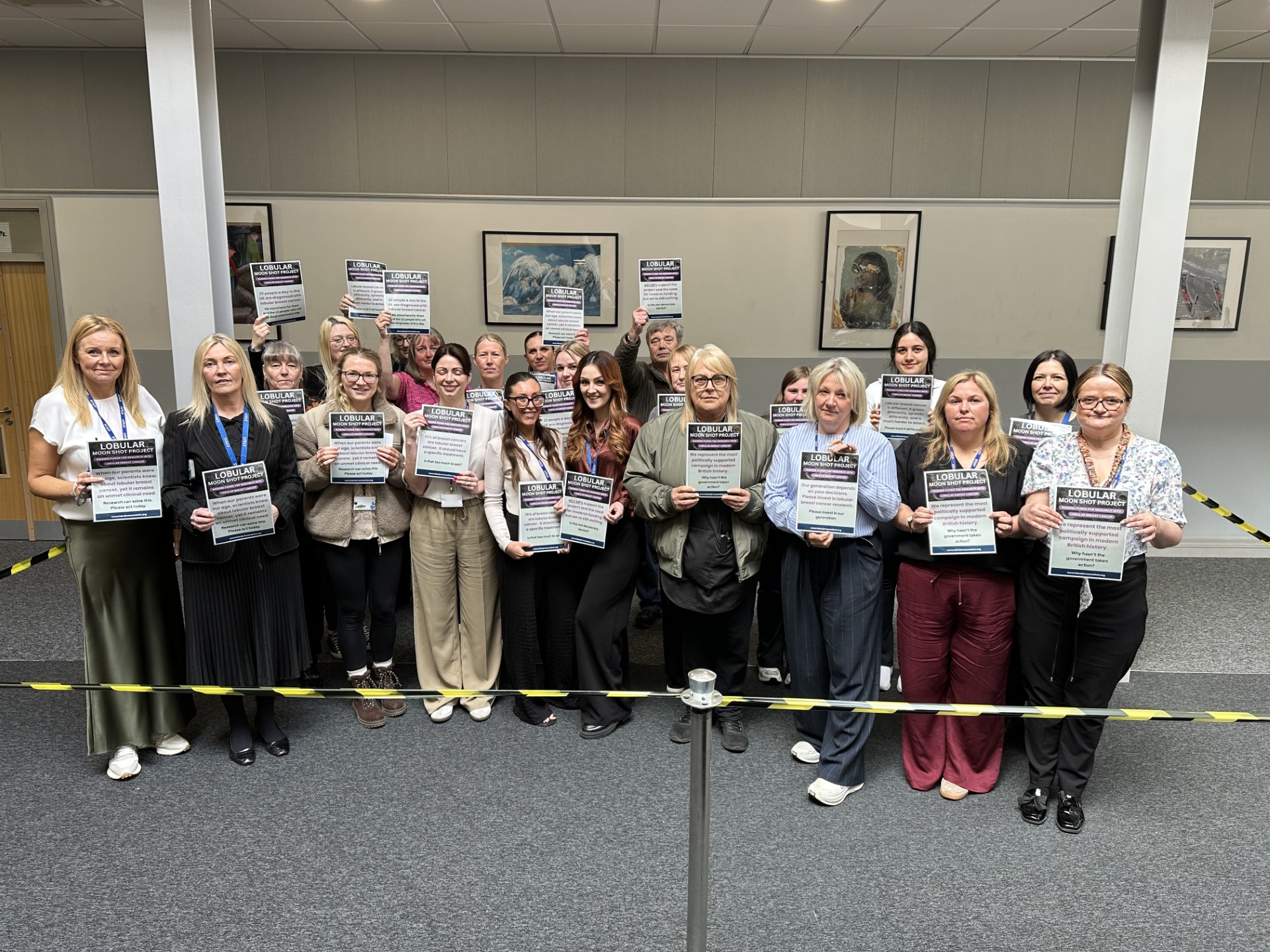
Guisborough Mam takes petition to 10 Downing Street
A Guisborough mam who is living with a rare and “sneaky” form of breast cancer is in London today (Wednesday April 22nd) fighting for more funding and research into the…
By Sarah Walker
22 April 2026

Teesside software firm’s success with Heron Foods
The sky is the limit for a Teesside HR software firm, after it began supporting major UK food retailer Heron to onboard up to 80 new employees a week with…
By Sarah Walker
21 April 2026

Growth at Jacksons reflects buoyant commercial property market on Tyneside
Jacksons is continuously strengthening its commercial property offering in response to sustained growth in the Newcastle market, where demand for office and industrial space is outperforming long-term averages and attracting…
By Sarah Walker
16 April 2026

We believe all businesses have a story to tell.
Let us help you tell yours!